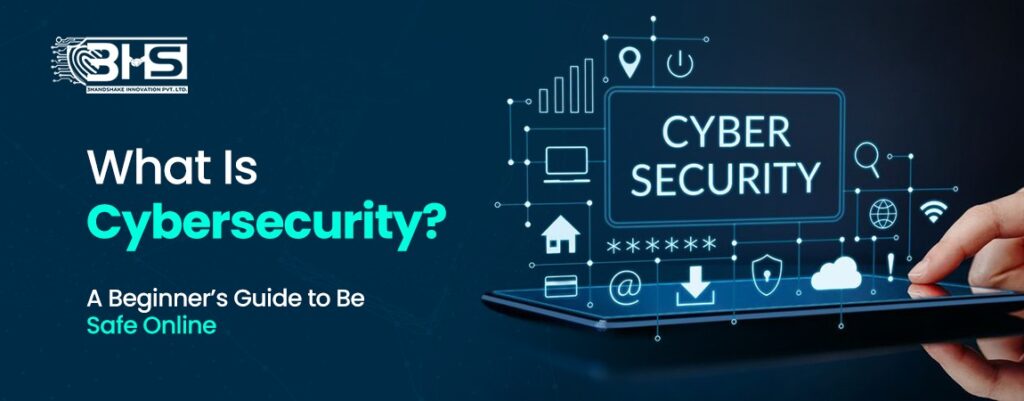
In today’s digital world, every click, login, or online transaction can expose you to hidden risks. Cybersecurity is the shield that protects individuals, businesses, and organizations from these ever-growing online threats. Whether you’re a student, a business owner, or a casual internet user, understanding cybersecurity is essential to stay safe online.
What Is Cyber Security?
Cybersecurity refers to the practice of protecting computers, servers, mobile devices, networks, and data from digital attacks, theft, or damage. These attacks, often called cyber threats, can come from hackers, cybercriminals, or even automated bots.
In simple terms — cybersecurity = protecting your digital world. For complete protection of your business infrastructure, explore reliable IT Managed Security Services in Jaipur to safeguard your systems and data round the clock.
Key Components of Cyber Security
- Network Security: Protects internal networks from unauthorized access, malware, and attacks.
- Application Security: Ensures software and apps are free from vulnerabilities that hackers can exploit.
- Information Security: Protects the confidentiality and integrity of data during storage or transmission.
- Operational Security: Manages permissions, access levels, and user behavior to maintain safety.
- Disaster Recovery and Business Continuity: Ensures systems and data can recover quickly after a cyber incident.
- End-User Education: Trains employees and users to recognize phishing, scams, and unsafe online behavior.
Why Is Cyber Security Important?
Cybersecurity is crucial because cyberattacks are increasing in both frequency and sophistication.
Without proper protection, sensitive data like personal information, financial records, or passwords can be stolen and misused.
- Every 39 seconds, a cyberattack occurs somewhere in the world.
- 43% of cyberattacks target small businesses.
- A single data breach can cost companies millions in losses, reputation, and downtime.
Whether you’re an individual or an enterprise, cybersecurity keeps your digital assets, identity, and reputation safe.Partner with the best cyber security company in Jaipur for advanced protection solutions and expert support.
How Does Cyber Security Work?
Cybersecurity works through a multi-layered defense approach, combining technology, processes, and user awareness.
- Firewalls and Antivirus Software block unauthorized access.
- Encryption secures sensitive data during transmission.
- Authentication Systems (like OTPs or biometrics) verify user identities.
- Monitoring Tools detect unusual activity or breaches in real-time.
The goal is to detect, defend, and respond to threats before they cause damage.
Types of Cyber Security
- Network Security: Protects networks from intrusions.
- Cloud Security: Secures cloud-stored data and applications.
- IoT Security: Safeguards devices like smart TVs, watches, and home systems.
- Application Security: Ensures safe coding and patch management.
- Mobile Security: Protects smartphones from apps and network attacks.
- Critical Infrastructure Security: Secures essential systems like healthcare, energy, and transportation.
What Are the Common Types of Cyber Threats?
- Phishing: Fake emails or messages tricking users into revealing data.
- Malware: Harmful software like viruses, trojans, and ransomware.
- Ransomware: Locks your data until you pay a ransom.
- DDoS Attacks: Overloads servers, making websites crash.
- Data Breaches: Hackers steal personal or financial information.
- Social Engineering: Manipulates people into breaking security rules.
- Zero-Day Exploits: Takes advantage of newly discovered software flaws.
What Are the Advantages of Cyber Security?
- Protection against data theft and unauthorized access.
- Safeguards personal and business reputation.
- Ensures regulatory compliance (like GDPR or HIPAA).
- Reduces downtime and operational disruption.
- Builds customer trust and brand reliability.
Best Practices for Cyber Security
- Use strong, unique passwords for every account.
- Enable two-factor authentication (2FA) wherever possible.
- Keep all software and operating systems updated.
- Avoid clicking unknown links or downloading suspicious attachments.
- Backup important data regularly.
- Educate your team about cybersecurity awareness.
- Use secure Wi-Fi connections (avoid public networks).
Cyber Safety Tips
- Never share OTPs or passwords with anyone.
- Use a VPN when browsing on public Wi-Fi.
- Log out from devices after using shared systems.
- Check URLs carefully before entering login details.
- Install trusted antivirus and firewall software.
- Regularly check your bank and credit statements for suspicious activity.
Cyber Security Trends in 2025
Cybersecurity is evolving rapidly, especially with AI and IoT on the rise. Here are key trends to watch in 2025:
- AI-Powered Threat Detection: Artificial intelligence is being used to detect cyber threats faster than humans.
- Zero-Trust Security Models: “Never trust, always verify” is the new norm.
- Quantum-Resistant Encryption: Advanced encryption for the post-quantum era.
- Cloud Security Automation: Automated monitoring of multi-cloud environments.
- Rise of Cyber Insurance: More businesses are investing in insurance to mitigate risks.
Top 10 Cyber Security Tools
- Norton 360 – Comprehensive antivirus and firewall.
- Bitdefender – Advanced malware and ransomware protection.
- Wireshark – Network protocol analyzer for real-time monitoring.
- Kali Linux – Tool suite for penetration testing.
- Metasploit – Exploit testing framework.
- Snort – Open-source intrusion detection system.
- LastPass – Password management tool.
- Cloudflare – DDoS and website protection.
- Splunk – Security information and event management (SIEM).
- McAfee Total Protection – Multi-device cybersecurity solution.
Conclusion
Cybersecurity isn’t just an IT concern — it’s everyone’s responsibility. Whether you’re managing a company, shopping online, or scrolling social media, your safety depends on how aware and proactive you are.
By following best practices, using reliable tools, and staying informed about the latest trends, you can create a secure digital environment for yourself and others.
At 3Handshake, we believe in empowering people and businesses with the knowledge and tools they need to stay cyber-safe, confident, and future-ready.